
Its a rainy Saturday morning so I decided to grab a tool from my “to try” list and see whats what.
I first pointed Agor at my Newrelic Exporter project that I had recently revived from a 4 year old stasis but quickly realized there wasn’t actually anything substantial left to work on there after I had used that project’s backlog to test out Claude Code Web. This side quest was still useful because it got me used to setting up a repo and worktree and Agor’s concept of a session.
My “software architect” and “linux greybeard” Claude subagents had done some work earlier this week filling out the beads backlog for Kubectx Timeout and I had 17 well-documented tasks there to tackle.
In true Saturday morning spirit I decided to firehose Agor with all these issues and see what happened.
I first created a “beads orchestrator” session and gave it a relatively simple prompt:
using agor mcp can you look through all open beads issues (use beads skill) and then create agor sessions for all open issues?
What happened was… a whole lot of permission issues and one daemon crash related to too many permission errors that I wish I had captured. You didn’t think this was going to be purely a success story did you?
Since I was on my home machine that is mainly used for video games I decided to go Yolo-mode on the permissions and let Agor cook.
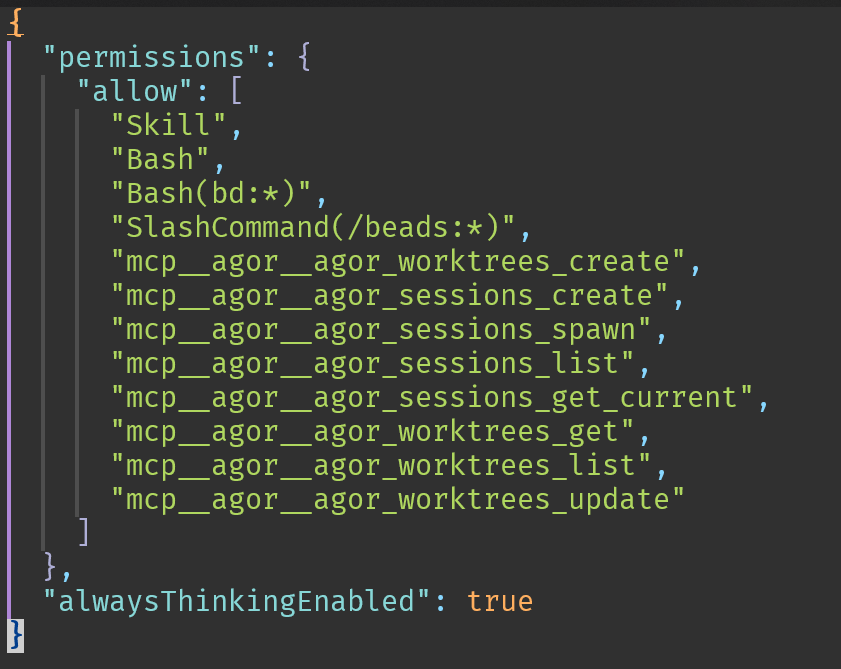
Yes I’m allowing Claude to run any bash command, yes I realize how bad of an idea this could be.
What happened was… my beads orchestrator session was stuck somewhere in the middle of permission hell and thought that all the worktrees were already created so it happily spawned all 17 sessions all pointing at the same worktree.
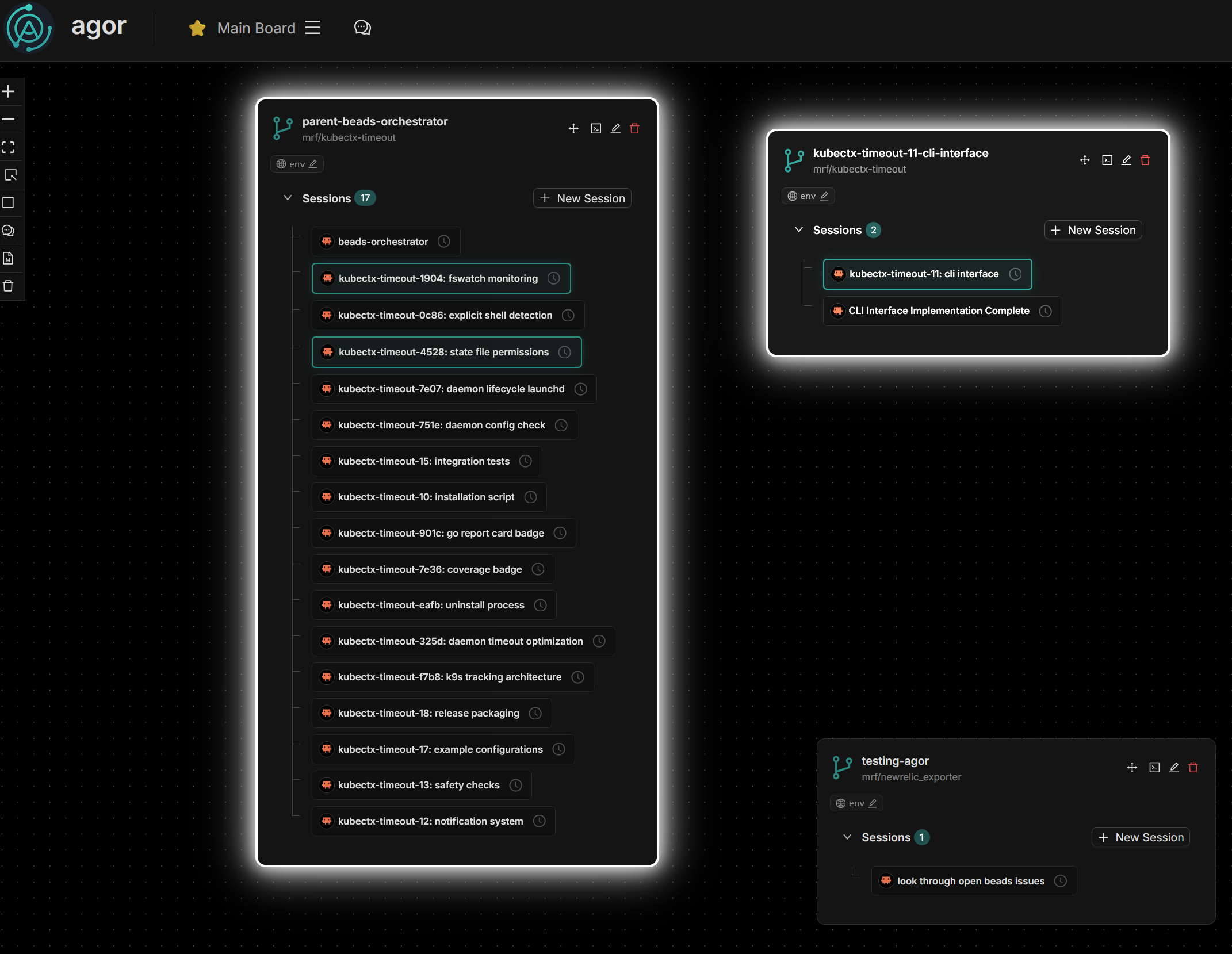
I now had 17 very frustrated sessions all cranking away and trying to understand why the files kept changing underneath them and the tests kept breaking while they were working.
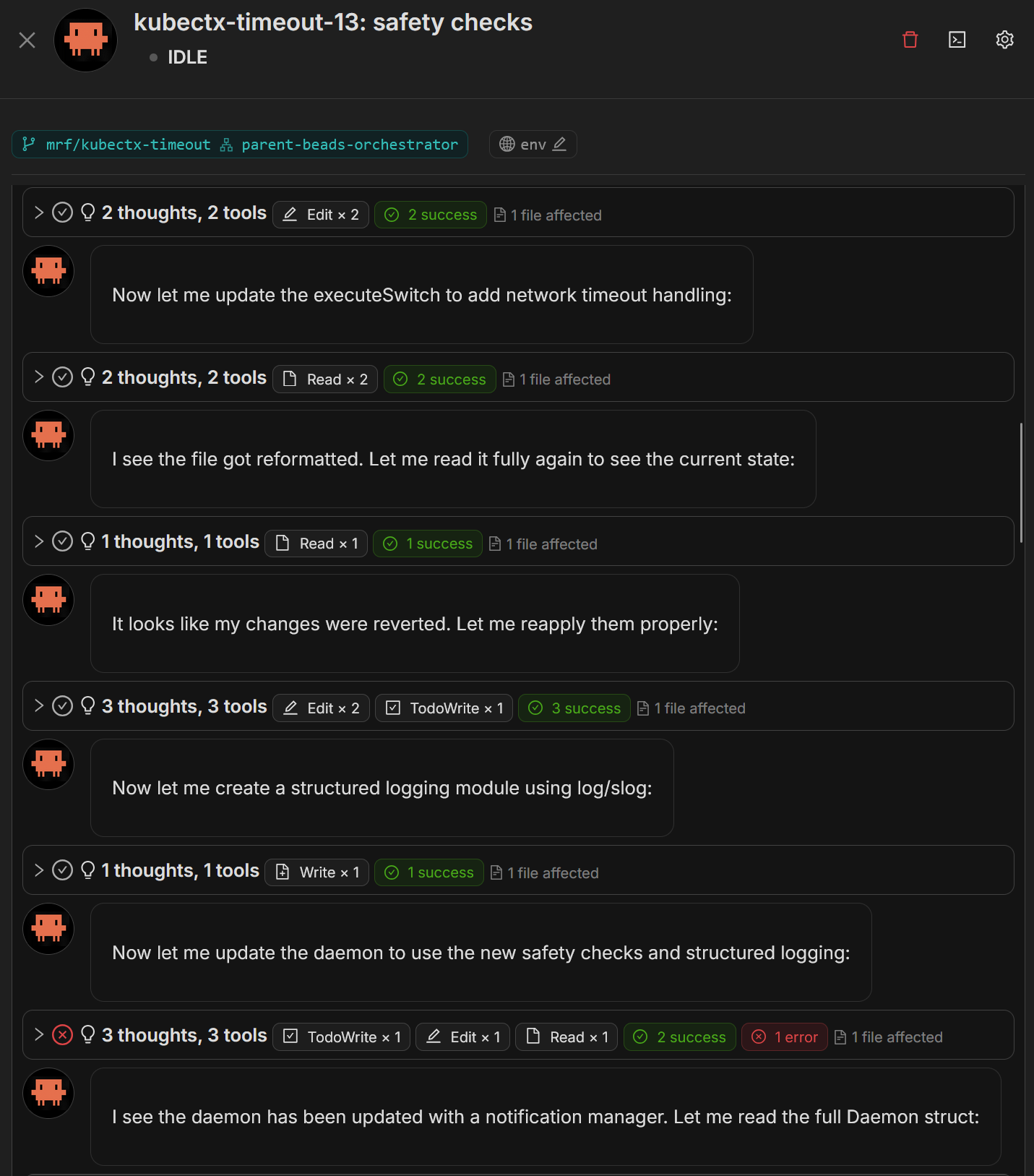
Each of my 17 sessions had a similar loop of applying and re-applying its changes which unsurprisingly quickly led to me exhausting my session limit for Claude.

But that didn’t happen till I started trying to clean up and move all the changes to their own worktree to make them easier to review.
Each of the 17 separate sessions had completed their work with just a couple nudges from me allowing web searches and the like.
One particular session gets a gold star for doing research and determining the whole idea was ill advised and giving me a summary why rather than blindly making the change.
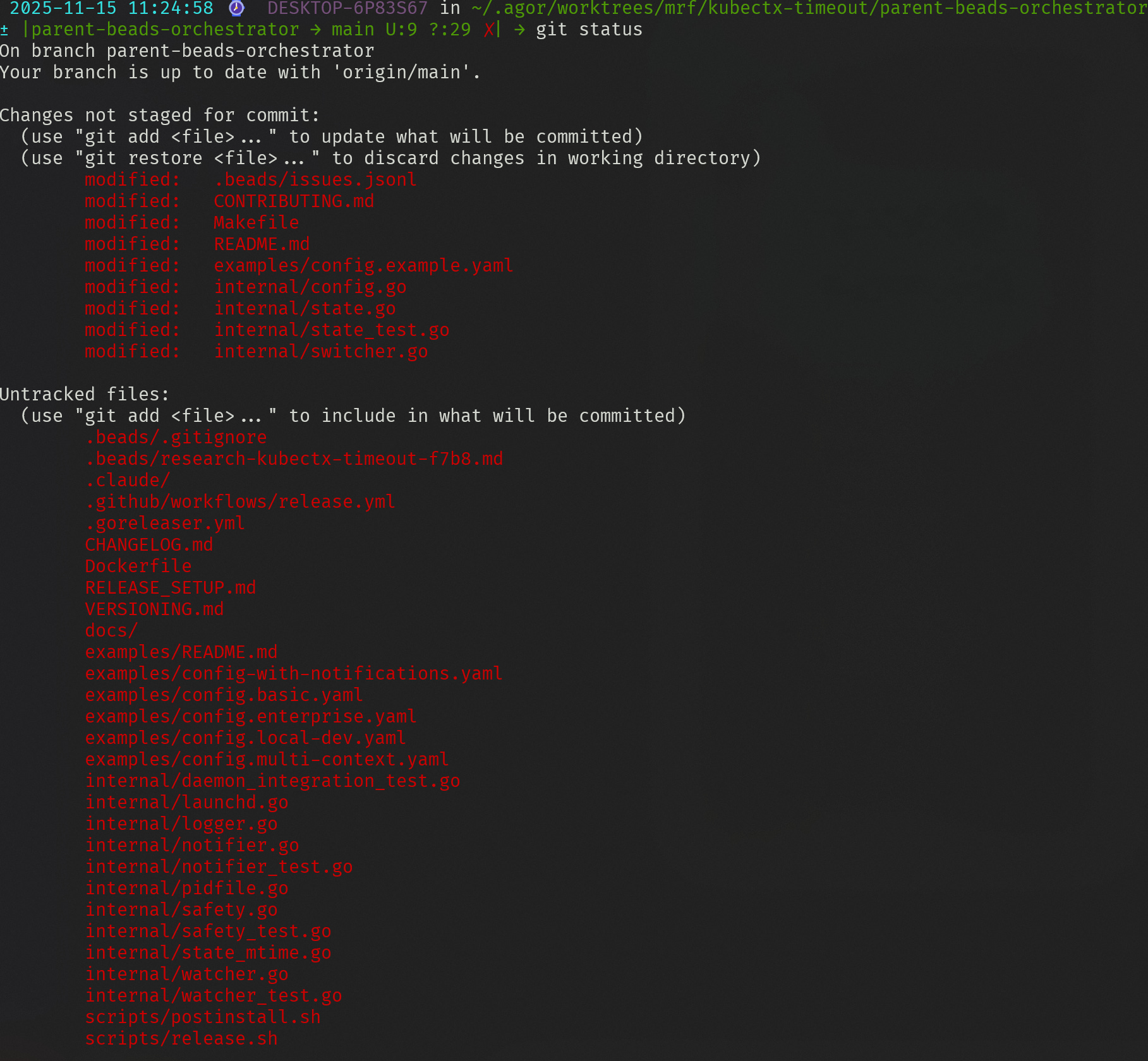
After about 20 or 30 minutes I have several weeks of work just sitting there ready for me to commit. I feel like I’ve briefly glimpsed a future where my main task isn’t going to be closing issues or writing features but ensuring I’m feeding the AI’s backlog fast enough.
I am still going to pull out each of these changes into their own branch, review the change and how its implemented before I merge, just like a cave man. I am not prepared to support all these changes with or without the help of AI.
I often am responding to the much repeated comment online that humans will be cleaning up AI code slop for years with my own reminder that the AI will be helping with maintenance as well. Agor feels like first a glimpse into what an automated code maintenance orchestration system might look like, it already has features for scheduled jobs and for multiple individuals to interact with the project board.
Agor will definitely be making its way into my tool rotation, if for nothing more than doing maintenance on open source.
The fact that a system as large and complex as Agor itself was very quickly created with the same tools it orchestrates speaks to how far coding agents have come.
For now I’m going to go watch some Expanse and wait for that session limit to reset.